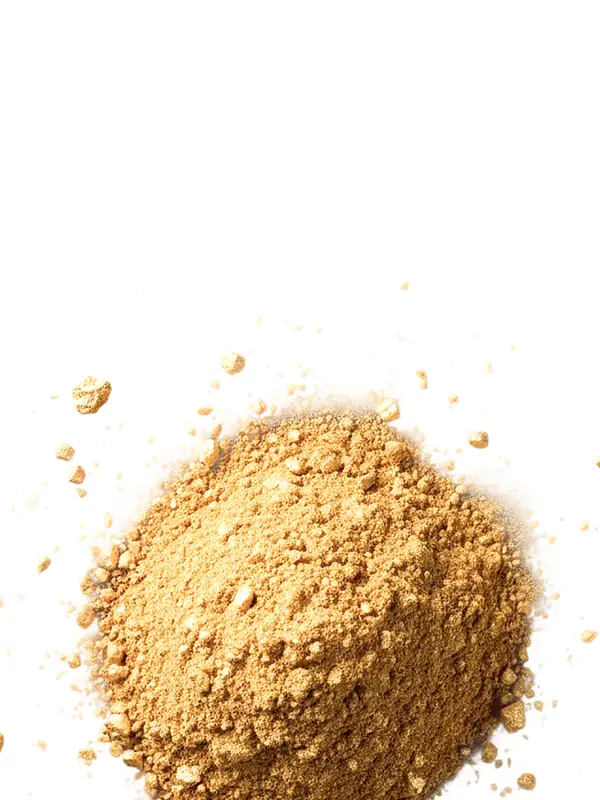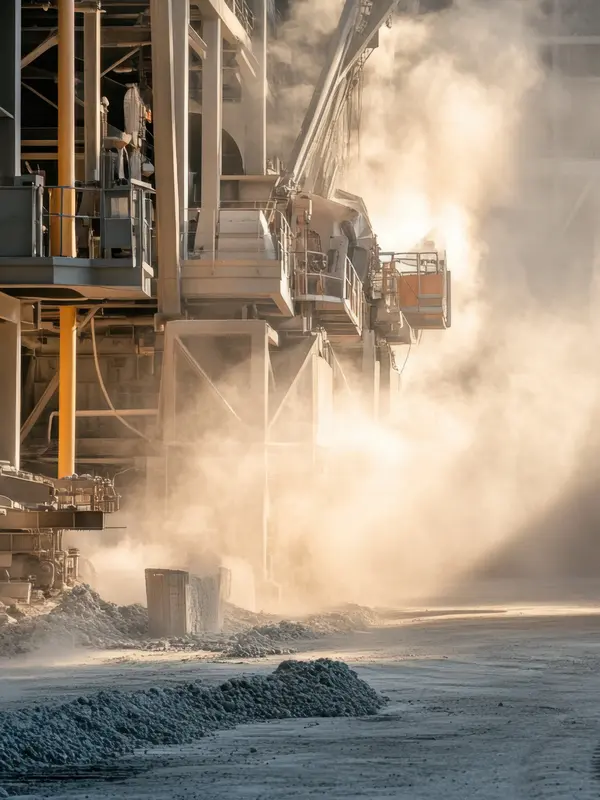
The customer needed to recover the abrasive material dispersed during the sandblasting phase of the raw product within its steel mill department.
The abrasive used represents a significant cost for the production process, and its systematic reuse has become economically strategic. Delfin solutions made it possible to transform waste into a valuable resource, optimizing the plant’s operating costs.
There is a simple principle behind this project: what may appear to be waste can become a valuable resource, provided it is recovered effectively.
In steel plants, recovering abrasive material dispersed during shot blasting helps reduce material losses and makes a valuable component available for reuse.
The project was developed to address the need to collect abrasive material from both the blasting chamber and the pit beneath it. Traditional collection methods did not allow for efficient and continuous recovery, limiting the possibility of reusing the material in the production process.
Why recover abrasive material during shot blasting?
During shot blasting, abrasive material is propelled at high velocity against the surface of raw products to clean, prepare or treat them. Once it has performed its function, however, the abrasive becomes dispersed throughout the blasting chamber and accumulates in different areas.
Every quantity of material that is not recovered represents an economic loss.
Abrasive material is not simply a by-product of the process, but a costly resource that can be reused multiple times. When it is lost, the steel plant must continuously replenish its supply, generating recurring expenses.
Systematically recovering and reintroducing these abrasive materials into the production process creates a closed-loop material cycle. A resource that has already been purchased can be reused, reducing waste and turning recurring costs into long-term savings.
Overcoming the limitations of manual abrasive recovery
Before the installation, dispersed abrasive material was collected manually.
Recovering the abrasive from the blasting chamber and the pit was a slow, physically demanding process that rarely ensured complete collection. Some abrasive material could remain in the work areas, while recovery operations required considerable time and manpower.
Manual collection also caused interruptions that were difficult to reconcile with the operational continuity required in a steel plant. Personnel were occupied with a demanding task without being able to guarantee either complete abrasive recovery or consistently clean working environments.
The main challenges were closely connected:
- Material dispersion throughout the blasting chamber and pit;
- Loss of expensive abrasive material that could potentially be reused;
- Long collection times due to manual operations;
- Significant manpower required for physically demanding tasks;
- Difficulty maintaining clean and organized working areas;
- Need to purchase additional abrasive material to replace what could not be recovered.
A high-vacuum system for heavy abrasive materials
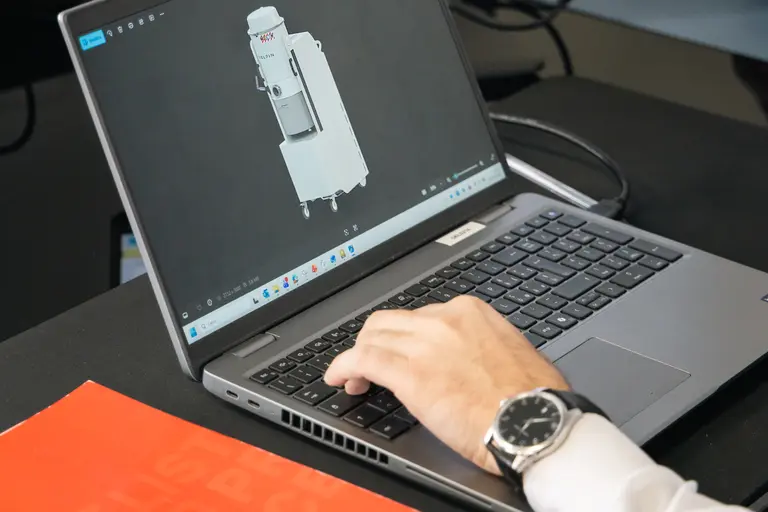
To automate the recovery process, Delfin installed a DHV Compact 22 Hopper system, configured for handling heavy materials. The rotary lobe pump provides the suction power required to collect dispersed abrasive material and convey it to a designated discharge point.
The system operates in both the blasting chamber and the pit below, transporting the collected material through an organized recovery process. Industrial vacuum technology therefore replaces a predominantly manual operation with a more continuous and autonomous process.
Automatic filter cleaning for operational continuity
The automatic filter cleaning system reduces the need for manual intervention by operators. This feature helps maintain more consistent suction performance, even during extended periods of operation.
The configuration also reduces the time required for routine filter maintenance. As a result, the recovery process can operate more independently, supporting production continuity and allowing personnel to focus on other tasks.
Direct discharge of abrasive material into big bags
An electro-pneumatic knife gate valve allows the recovered material to be discharged directly into a big bag. The abrasive is collected at a designated point, preventing further dispersion and simplifying subsequent handling operations.
Once collected in the container, the material is ready to be reintroduced into the production cycle. Direct discharge completes the recovery process, making it possible to reuse the abrasive during shot blasting operations.
Benefits of abrasive material recovery in steel plants
The integration of the system has enabled effective cleaning of both the blasting chamber and the pit, automating material collection and reducing manual operations. Working areas can be kept cleaner and more organized, improving their overall functionality.
The systematic reuse of recovered material also generates immediate cost savings and minimizes waste.
Abrasive material recovery through industrial vacuum technology therefore transforms dispersed residues into a reusable resource, combining operational efficiency with cost control.
To identify the most suitable configuration for your materials, volumes and plant requirements, contact Delfin and request an industrial vacuum solution tailored to the specific needs of your steel plant.


The sandblasting phase generated material dispersion that was difficult to manage using traditional methods:
- Material loss: continuous dispersal of abrasive material both in the work chamber and in the pit below.
- High costs: abrasive material is an expensive component that heavily impacts the production budget.
- Reduced efficiency: manual recovery operations were inefficient, slow, and required excessive labor.
- Need for circularity: urgent need to reintroduce the material into the production cycle to reduce waste.
DHV COMPACT 22 HOPPER
Delfin installed a DHV Compact 22 Hopper high-vacuum system, specifically designed for handling heavy materials:
- Rotary lobe pump: ensures consistent performance and high vacuum power even for densest materials.
- Full automation: automatic filter cleaning system that eliminates the need for manual intervention by the operator.
- Smart discharge: integration of an electro-pneumatic guillotine valve for direct discharge of material into big bags.
Cost savings and optimized process
- Economic recovery: Immediate savings thanks to the systematic reuse of the vacuumed abrasive material.
- Work environment: optimal cleanliness of the cabin and pit, resulting in improved safety conditions.
- Flow automation: discharge of the collected material at a designated point, ready to be reintroduced into the cycle.
- Zero manual maintenance: autonomous management of filtration systems, minimizing the time spent on machine maintenance.
- Steel mill efficiency: seamless integration into a heavy industry setting with machinery built to last.
Want to reduce the costs of your sandblasting booth by recovering the abrasive?
You may also be interested in